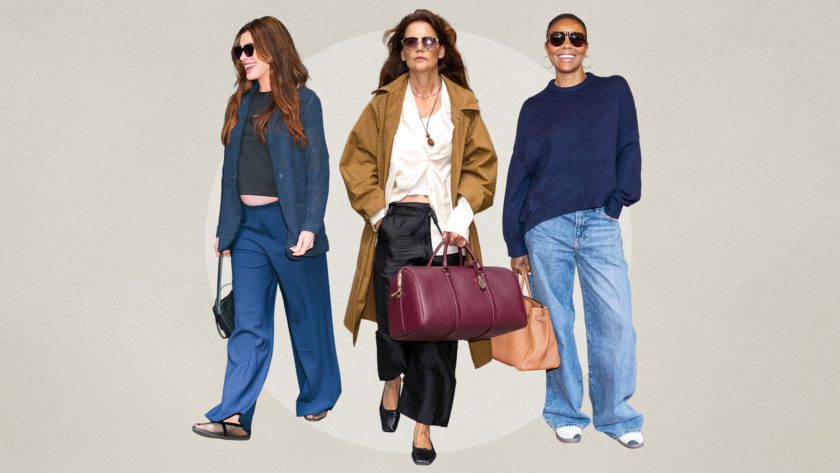
Frequent flying requires clothing that can handle airport walking, security lines, long periods of sitting, changing temperatures, luggage movement, and arrival plans. A travel outfit may need to feel comfortable for several hours while still looking organized enough for work, family visits, hotels, or public transportation.
American travelers often move between climates during a single trip. A flight may begin in cold weather and end in heat, or the cabin may feel cooler than both destinations. Flexible clothing can make these changes easier to manage.
People looking for comfortable airport fashion ideas can build outfits around movement, layering, useful pockets, and simple coordination.
Begin With Comfortable Pants
Travel pants should remain comfortable while sitting for long periods.
Stretch trousers, soft straight-leg pants, relaxed jeans, knit pants, and clean athletic-inspired styles can all work depending on personal preference.
Avoid waistbands that become restrictive when seated.
Test the outfit at home by sitting for at least fifteen minutes.
Check whether the fabric pulls at the knees, waist, hips, or thighs.
Very loose pants may feel comfortable, but excess fabric can become difficult in crowded airport spaces.
Choose a length that does not drag on the ground.
Practical travel clothing should support walking without requiring constant adjustment.
Wear A Breathable Base Layer
A simple shirt, lightweight sweater, or soft long-sleeve top creates a reliable foundation.
Breathable fabrics can improve comfort during changing temperatures.
The base layer should feel suitable without the jacket because travelers may remove outer layers during security checks or after arrival.
Neutral colors make outfit coordination easier.
Dark colors may hide small travel marks, while lighter shades can create a fresh appearance.
Choose a fabric that does not wrinkle excessively during sitting.
Travel coverage from lifestyle and destination writers often emphasizes clothing that remains useful after the flight rather than serving only as an airport outfit.
Add A Removable Layer
Cabin temperatures can be unpredictable.
A cardigan, zip jacket, overshirt, light blazer, or soft sweatshirt can provide warmth without becoming difficult to carry.
Choose a layer that fits beneath the planned outer coat when traveling during winter.
Front-opening designs are easy to remove while seated.
A neutral layer can also support outfits during the trip.
The same cardigan may work in restaurants, hotel spaces, meetings, and evening walks.
Multi-use clothing reduces packing needs.
Select Supportive Shoes
Airports may require long walks between terminals.
Comfortable sneakers, supportive slip-on shoes, loafers, and low boots are common choices.
Shoes should remain secure while walking quickly.
Avoid wearing brand-new footwear on a long trip.
Test the pair during a normal day first.
Consider how easily the shoes can be removed when required.
However, convenience should not replace support.
Loose slides may become difficult during crowded travel or long walks.
Wear clean socks suitable for the temperature and expected travel time.
Use Compression Products Only When Appropriate
Some travelers use compression socks during long flights.
The correct type and fit depend on individual needs.
People with health concerns should seek professional guidance before choosing specialized products.
Ordinary comfortable socks should not create tight pressure or leave painful marks.
Avoid wearing unfamiliar items for the first time during a long journey.
Test comfort before departure.
Travel clothing should support circulation and movement without creating unnecessary restriction.
Choose A Jacket With Useful Pockets
Pockets can reduce repeated searching.
A travel jacket may hold a phone, boarding information, small wallet, or other permitted essentials.
Zippered pockets offer additional security.
Avoid placing too many heavy objects in clothing because uneven weight can become uncomfortable.
Important documents should remain organized and protected.
A jacket with several pockets can be helpful, but it should not replace a clear personal-item system.
Readers seeking practical travel wardrobe guidance can focus on functional details that support movement through busy airports.
Avoid Excessive Jewelry
Security procedures and long travel hours can make heavy accessories inconvenient.
Simple earrings, a watch, a small necklace, or minimal jewelry may feel more comfortable.
Avoid wearing valuable items that create worry during travel.
Large bracelets can become uncomfortable while using armrests.
Long necklaces may tangle with headphones, bags, or outerwear.
Accessories can still add personal style.
Choose one or two pieces that remain easy to manage.
Carry A Large Scarf Or Wrap
A large scarf can serve several purposes.
It may provide warmth, work as a light wrap, add color to an outfit, or support modest coverage.
Choose a washable fabric that folds easily.
Avoid excessively bulky designs when luggage space is limited.
The scarf should coordinate with clothing planned for the destination.
A neutral version may work across several outfits.
Frequent travelers often receive more value from multi-use accessories than from items worn only during the flight.
Dress For The Arrival Climate
Check the weather at both departure and arrival locations.
Someone leaving a cold city for a warm destination may wear a removable coat over light layers.
Heavy winter clothing can be packed or carried after arrival when necessary.
Travelers arriving in cold weather should keep coats, gloves, and hats accessible rather than placing them deep inside checked luggage.
A flexible outfit reduces the need to change immediately.
Weather planning also helps prevent overpacking.
Daily travel fashion and packing updates can provide ideas for combining destination needs with airport comfort.
Keep The Outfit Easy To Clean
Travel exposes clothing to seats, luggage, food, drinks, and crowded public spaces.
Choose fabrics that can be washed according to normal routines.
Delicate clothing may create unnecessary maintenance during a trip.
Dark trousers, patterned tops, and textured fabrics may hide minor wrinkles or marks.
However, cleanliness and comfort matter more than hiding every possible problem.
Pack a small stain-treatment product only when permitted and useful.
Follow luggage and transportation rules for liquids.
Avoid Overly Tight Clothing
Tight waistbands, restrictive sleeves, and stiff fabrics may become uncomfortable during long flights.
Clothing should allow natural movement.
Sit, bend, reach, and walk while testing the outfit.
A polished appearance does not require restrictive clothing.
Relaxed tailoring, stretch fabrics, and structured knitwear can provide both comfort and organization.
People traveling for work can wear a soft blazer over a breathable shirt and comfortable trousers.
The outfit can remain professional without copying formal office clothing exactly.
Plan A Simple Arrival Upgrade
Some travelers need to attend meetings, meals, or events soon after landing.
Small changes can refresh the outfit.
A clean shirt, structured layer, scarf, belt, or different pair of shoes may create a more polished appearance.
Keep the upgrade item near the top of the carry-on.
Avoid packing necessary clothing in checked luggage when immediate use is expected.
A travel outfit should provide a strong base that can change with minimal effort.
Keep Essentials In One Personal Item
Clothing works better when important items remain organized.
Use a personal bag with clear sections for travel documents, electronics, medication, permitted liquids, snacks, and comfort items.
Avoid overfilling the bag.
A heavy tote can create shoulder strain during long walks.
Backpacks distribute weight differently, while small rolling bags may support longer trips.
Choose the system that matches personal comfort and airline requirements.
Repeat Successful Travel Outfits
Frequent flyers do not need a new outfit for every trip.
A reliable combination saves time.
Photograph successful travel looks and record which pieces performed well.
Notice problems such as uncomfortable shoes, heavy layers, weak pockets, or fabrics that wrinkle excessively.
Adjust one item at a time.
Repeating a familiar outfit also reduces packing decisions.
The strongest travel clothing supports movement from home to airport to destination.
Comfort, layering, practical footwear, and easy coordination matter more than creating an outfit designed only for airport photographs.