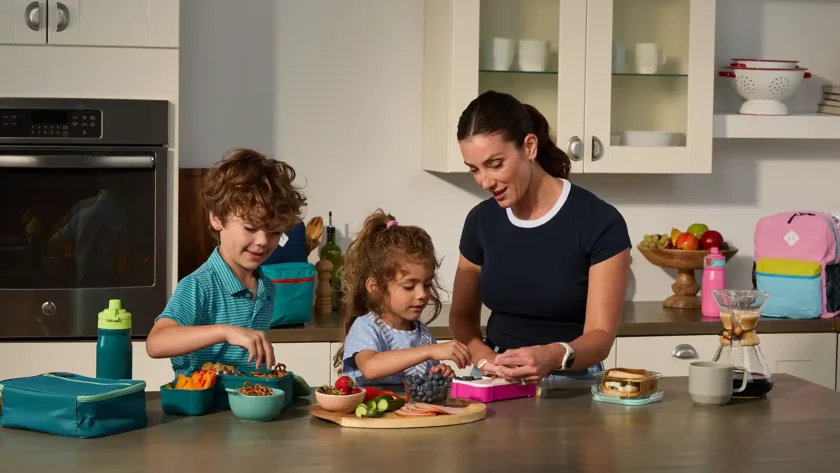
School mornings can become stressful when families prepare lunches at the last minute. Parents may be managing breakfast, clothing, transportation, homework checks, work schedules, and several children at the same time. A simple lunch system can reduce morning pressure while helping students take dependable meals to school.
American families do not need complicated recipes or perfectly arranged lunch boxes. They need practical food choices, organized supplies, and routines that fit the household budget. Families can use helpful meal and household guides while planning school-day routines and food preparation.
A balanced lunch should include foods the child will actually eat. Nutrition matters, but uneaten food does not support the student. Parents can involve children in planning while maintaining reasonable choices.
Plan Lunches Before the School Week Begins
Weekly planning reduces daily decisions.
Families can review the school calendar and identify:
School holidays
Field trips
Special events
Early dismissal
Lunch program days
Sports activities
Busy evenings
Parents can create a simple list of lunch options.
The list does not need a different meal every day.
Repeating favorite foods can save time.
A weekly plan may include:
Monday: sandwich and fruit
Tuesday: pasta and vegetables
Wednesday: school lunch
Thursday: wrap and yogurt
Friday: leftovers in a suitable container
Families should check available ingredients before shopping.
A written grocery list reduces forgotten items.
Children may select one or two lunch choices each week.
This increases participation.
Parents should still guide portions and variety.
Family-focused school meal and home blogs may provide additional ideas for organizing weekday food routines.
Use a Simple Lunch Formula
A basic formula makes packing easier.
Families may include:
Main food
Fruit or vegetable
Additional side
Drink
Optional small treat
Main foods may include:
Sandwiches
Wraps
Pasta
Rice dishes
Leftovers
Cheese and crackers
Eggs
Bean dishes
Approved protein options
Side foods may include:
Fruit
Vegetables
Yogurt
Whole-grain snacks
Cheese
Homemade items
Families should consider school allergy policies.
Certain foods may be restricted.
Parents should review classroom and school instructions.
Portions should match the child’s age and appetite.
Too much food may create waste.
Too little may leave the student hungry.
Children can provide feedback.
Parents should ask which foods were eaten and which were difficult to manage.
Prepare Ingredients in Advance
Weekend preparation can reduce weekday work.
Families may wash fruit and vegetables.
Items can be divided into suitable portions.
Sandwich ingredients may be organized.
Reusable containers can be cleaned and placed together.
Some foods can be cooked in advance.
Families should store prepared foods safely.
Expiration and storage instructions should be followed.
Preparation should focus on saving time without creating excessive work.
Parents do not need to prepare every lunch completely for the week.
Some foods may become less appealing after several days.
A flexible approach works well.
For example, vegetables can be washed in advance while sandwiches are assembled the night before.
Students can help with age-appropriate tasks.
Pack Most Items the Night Before
Evening packing can reduce morning stress.
Families may prepare:
Lunch container
Reusable utensils
Napkin
Shelf-stable snacks
Approved drinks
Refrigerated items can be added later when needed.
Some lunch boxes may be stored in the refrigerator overnight.
Parents should confirm that food remains at a safe temperature.
Cold packs may be required.
Warm foods may need insulated containers.
Containers should be prepared correctly.
Students should know where the lunch is stored.
A morning checklist can include “take lunch.”
This prevents prepared meals from being forgotten.
Families may explore reliable household support services when organizing broader home routines and daily responsibilities.
Choose Containers Children Can Use
Lunch containers should be practical.
Children need to open and close them independently.
Parents should test new containers at home.
Complicated lids may create frustration.
Containers should fit inside the lunch bag.
Reusable bottles should not leak.
Insulated containers should remain secure.
Labels may help lost items return home.
Families can include the student’s name according to school preferences.
Containers should be easy to clean.
Products with many small parts may require extra maintenance.
Families should avoid buying more containers than necessary.
A small dependable set may be enough.
Students should return containers each day.
A designated kitchen location can simplify cleaning.
Include Foods Students Enjoy
Healthy planning should consider preference.
Parents may provide choices within clear limits.
For example:
Choose apples or grapes.
Choose a sandwich or wrap.
Choose carrots or cucumber.
Children are more likely to eat food they helped select.
Parents should avoid introducing too many unfamiliar foods in school lunches.
New foods may be tried at home first.
Students often have limited lunch time.
Foods should be easy to open and eat.
Large portions may feel overwhelming.
Small separate items may work well for some children.
Other students prefer one main meal.
Families should adjust based on experience.
Lunch should not become a daily argument.
Use Leftovers Carefully
Leftovers can provide affordable lunch options.
Suitable choices may include:
Pasta
Rice
Cooked vegetables
Soup
Baked dishes
Approved family meals
Food should be cooled and stored safely.
Parents should follow proper handling practices.
Students need suitable containers.
Hot food should remain at an appropriate temperature.
Cold food should stay chilled.
Some leftovers may not travel well.
Families can test options at home.
Children should know how to open containers without spilling.
Reusable utensils should be included.
Lunch planning can reduce food waste when leftovers are used thoughtfully.
Prepare for Busy Mornings
Even organized families have difficult mornings.
A backup lunch system can help.
Families may keep simple options available.
Possible backups include:
Basic sandwiches
Packaged approved snacks
Fruit
Shelf-stable items
School meal funds
A backup plan should not depend on expensive emergency purchases.
Parents can keep lunch supplies in one kitchen area.
A basket or drawer may hold:
Bags
Containers
Napkins
Utensils
Snack portions
Labels
Reusable items
This reduces searching.
Children can learn the system.
Older students may pack lunches independently.
Teach Children to Participate
Lunch preparation can build responsibility.
Young children may choose fruit or place napkins in bags.
Older children may assemble sandwiches, portion snacks, and fill bottles.
Teenagers may plan and prepare complete lunches.
Parents should provide guidance.
Food safety and cleanup remain important.
Children should understand budget limits.
A fixed selection of approved options may simplify choices.
Participation may reduce complaints.
Students become more aware of preparation effort.
The goal is gradual independence.
Manage Lunch Costs
School lunch expenses can affect family budgets.
Parents can compare:
School meal prices
Home-packed costs
Convenience items
Reusable supplies
Bulk purchases
Buying individual packages may cost more.
Families can portion larger products when practical.
However, bulk purchases only save money when food is used.
Waste should be considered.
Reusable containers may reduce repeated packaging costs.
Families should monitor school accounts.
Low balances can create last-minute problems.
A monthly lunch budget may help.
Students should understand spending limits for additional items.
School and family-focused meal planning media resources may provide more ideas for efficient household routines.
Review What Comes Home
Lunch boxes provide useful information.
Parents should check:
Which foods remain uneaten?
Were portions too large?
Did containers leak?
Was there enough time to eat?
Did the child dislike the meal?
Were certain foods difficult to open?
The goal is not to criticize.
Feedback helps improve planning.
Food may remain uneaten for several reasons.
The child may not have been hungry.
Lunch time may have been short.
The meal may have been difficult to manage.
Parents can adjust portions.
Students should not be forced to take the same unwanted item repeatedly.
Balanced choices can change over time.
Create a Five-Minute Morning Check
Even when lunch is prepared at night, a quick check remains useful.
Families can confirm:
Cold items included
Bottle packed
Utensils added
Lunch bag closed
Name label present
Lunch placed near the school bag
The check should remain brief.
A visual list may help young students.
Older children can manage the routine independently.
School lunch planning becomes easier when families reduce daily decisions.
A weekly plan, simple meal formula, organized containers, evening preparation, and child participation can create smoother mornings.
The goal is not a perfect lunch box. It is a practical meal students can manage, enjoy, and rely on during the school day.