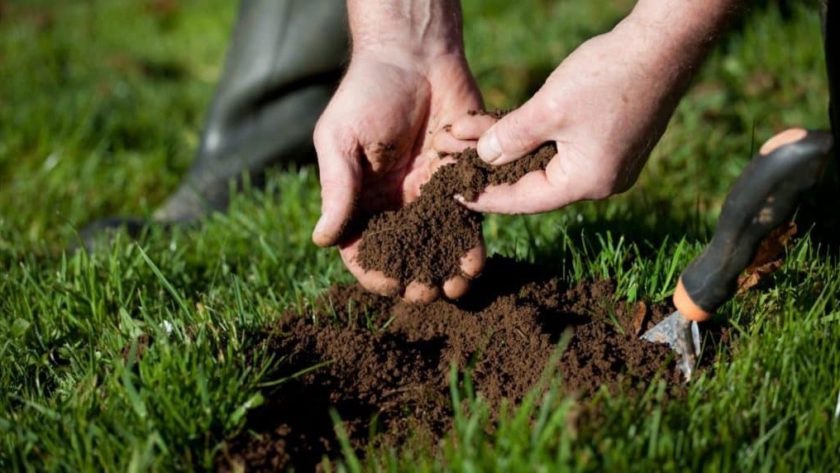
Healthy gardens begin below the surface. Soil influences how plants receive water, air, nutrients, and physical support. When vegetables, flowers, shrubs, or lawns struggle, gardeners often add fertilizer without knowing whether nutrients are actually missing. Soil testing provides a clearer picture and can reduce unnecessary spending.
Across the United States, soil conditions vary by region, property history, drainage, construction activity, and previous landscaping. Two neighboring yards may have different nutrient levels or soil balance. Testing allows homeowners to make decisions based on their own growing areas instead of general assumptions.
A soil test does not solve every garden problem, but it can provide valuable direction when combined with observation and proper plant selection.
Decide Which Areas Need Separate Tests
Different parts of a property may require separate samples.
A vegetable garden may have different soil conditions than a lawn.
Flower beds, orchard areas, new construction zones, and older planting beds may also differ.
Mixing soil from unrelated areas can produce results that do not represent any one location accurately.
Gardeners should test each important growing area separately when conditions or past use are different.
A uniform lawn may require one combined sample, while a property with several soil types may need more.
Thoughtful garden planning information can help homeowners divide outdoor areas according to their actual use and maintenance history.
Use a Reliable Testing Service
Home test kits may provide basic information, but laboratory testing often offers more detailed results.
Universities, agricultural services, local programs, and private laboratories may provide testing options.
Available services differ by state and region.
Gardeners should review instructions before collecting samples because testing methods and required amounts may vary.
A reliable report should explain measured values and provide guidance appropriate to the intended crop or landscape use.
Homeowners should avoid choosing a service only because it promises immediate results.
Useful recommendations depend on accurate sampling and appropriate analysis.
Collect Soil at the Correct Depth
Sample depth depends on the growing area.
Lawn samples may be collected differently from vegetable beds or tree areas.
Gardeners should follow the instructions supplied by the testing service.
Collecting only loose surface material may not represent the active root zone.
Deep samples may also include soil that plants are not currently using.
A clean tool should be used to reduce contamination.
Soil should be collected from several points within the same area and combined when instructed.
One small spot may not represent an entire garden bed.
Avoid Unusual Sampling Locations
Certain areas can create misleading results.
Gardeners should avoid collecting directly beside fertilizer spills, compost piles, pet areas, roads, foundations, burn sites, or concentrated drainage zones unless those locations are being tested separately.
Recently treated soil may also affect results.
Homeowners should wait according to testing guidance after fertilizer or soil product applications.
If one section of the garden looks different from the rest, it may deserve its own sample.
Separating unusual areas makes the final report easier to interpret.
Creative garden improvement inspiration can help homeowners plan future beds, but soil decisions should remain based on actual site conditions.
Use Clean Tools and Containers
Dirty equipment can affect sample quality.
Gardeners should use a clean trowel, shovel, probe, or approved collection tool.
Containers should not contain fertilizer, cleaning products, chemicals, or other residues.
Metal contamination may matter for certain specialized tests.
Testing instructions should explain acceptable materials.
Soil should be placed in the required bag or container and labeled clearly.
If multiple areas are tested, each sample needs a distinct name.
Simple labels such as “front lawn,” “vegetable bed,” or “south flower border” can prevent confusion.
Let Wet Soil Dry When Directed
Very wet soil can be difficult to mix and package.
Some testing services ask gardeners to air-dry samples before shipping or delivery.
Drying should occur according to instructions, without adding heat or contaminants.
Soil can be spread in a clean area where it will not mix with household materials.
Homeowners should not place samples in cooking equipment.
If the laboratory requests moist soil, that instruction should take priority.
Following the exact procedure improves the usefulness of the results.
Understand Soil pH
Soil pH describes how acidic or alkaline the soil is.
Different plants perform best within different ranges.
A pH that is too high or too low may affect nutrient availability.
Gardeners should not attempt to change pH without understanding the existing level and plant needs.
Large changes can take time.
Products used to adjust soil should be applied according to test recommendations.
Adding material without measurement may move conditions in the wrong direction.
Some plants naturally prefer more acidic soil, while others tolerate a wider range.
Review Nutrient Results Carefully
Soil reports may include information about phosphorus, potassium, and other nutrients.
Results should be interpreted according to the planned plants.
A vegetable garden may receive different recommendations than a lawn.
More nutrients do not always produce better growth.
Excessive fertilizer can contribute to weak plants, environmental concerns, and unnecessary cost.
Gardeners should follow measured recommendations instead of applying a general product automatically.
Keeping soil improvement notes can help homeowners record test dates, results, amendments, and future plant performance.
Do Not Assume Nitrogen Results Are Permanent
Nitrogen levels can change quickly because of plant use, rainfall, soil activity, and other conditions.
Some standard soil tests may not measure nitrogen in the same way as other nutrients.
Recommendations may be based on the crop and local growing conditions.
Gardeners should follow the report and avoid repeated heavy applications.
Plant color alone does not always prove nitrogen deficiency.
Water stress, root damage, disease, compacted soil, and incorrect pH may create similar symptoms.
Testing should be combined with observation.
Check Organic Matter When Available
Organic matter influences soil structure, moisture, and biological activity.
Testing may provide an estimate of the amount present.
Low organic matter does not mean gardeners should add unlimited compost.
Too much material can create nutrient imbalance or drainage concerns.
Well-finished compost may improve certain soils when used appropriately.
The best amount depends on existing conditions and plant needs.
Homeowners should also consider the quality and source of organic material before application.
Evaluate Soil Texture Separately
A nutrient test may not fully explain soil texture.
Sand, silt, and clay proportions affect drainage and water movement.
Sandy soil may drain quickly and require more frequent moisture checks.
Heavy clay soil can hold water longer and become compacted.
Adding small amounts of material may not completely change the underlying texture.
Gardeners should work with existing conditions when possible.
Choosing suitable plants can be more practical than attempting a complete soil transformation.
Consider Drainage and Compaction
Healthy nutrient levels do not guarantee healthy plants.
Compacted soil may limit root growth, air movement, and water absorption.
Poor drainage can damage roots even when fertilizer levels are appropriate.
Gardeners should observe how soil behaves after rain.
Standing water, hard surfaces, and shallow roots may indicate physical problems.
Aeration, raised beds, grading, or plant selection may provide solutions depending on the area.
Soil testing is one part of a larger site evaluation.
Apply Recommendations Accurately
Homeowners should measure the garden area before applying amendments.
Product amounts are often based on square footage.
Guessing may lead to overapplication.
Spreaders and measuring tools should be used according to instructions.
Gardeners should avoid applying products before heavy rain when runoff is likely.
Materials should remain away from storm drains, waterways, and hard surfaces.
Protective equipment should follow product labels.
Careful application supports both garden health and responsible maintenance.
Retest After Major Changes
Soil conditions change over time.
New garden beds, major amendments, construction, flooding, or repeated fertilizer use may justify retesting.
Annual testing is not always necessary for every area.
The best schedule depends on the garden and previous results.
Keeping old reports allows homeowners to compare trends.
Large changes should not be expected immediately after every application.
Some soil adjustments take several seasons.
Patience and accurate records improve long-term decisions.
Match Plants to Existing Conditions
Testing may reveal that certain areas are naturally suited to specific plants.
Instead of changing every soil feature, gardeners can select crops, flowers, shrubs, or grasses adapted to local conditions.
This may reduce maintenance and improve long-term performance.
Plants should also match sunlight, climate, drainage, and available space.
Soil results are most useful when combined with complete site planning.
Balanced home garden guidance can help homeowners make measured improvements without relying on excessive products.
Soil testing gives American gardeners a stronger foundation for decision-making. Accurate sampling, reliable analysis, careful interpretation, and measured application can improve lawns, vegetable beds, flowers, and landscapes. The goal is not to create perfect soil. It is to understand existing conditions and make changes that support the plants being grown.


