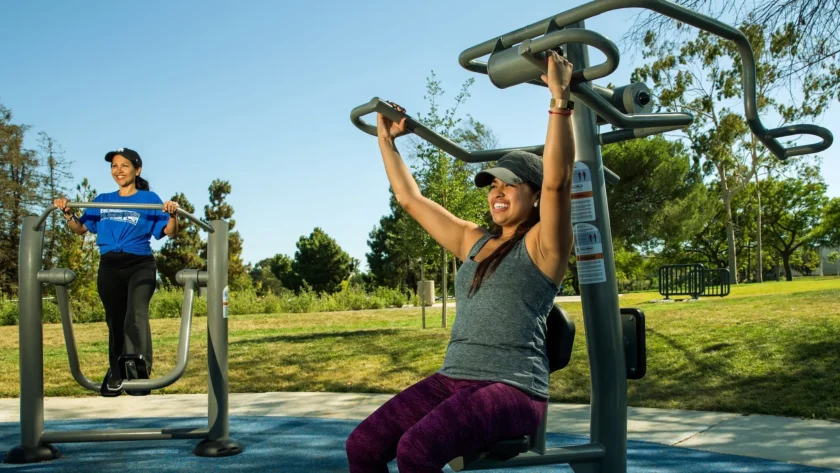
Local parks provide convenient places for walking, movement, recreation, and family activity. Many American communities have open fields, walking paths, playgrounds, sports areas, benches, and shaded spaces that can support exercise without requiring a gym membership.
Outdoor exercise does not need specialized equipment.
A person can Walk, stretch, complete bodyweight movements, play active games, or use safe public fitness areas when available.
The strongest routine matches personal ability and local conditions.
Weather, lighting, surface quality, traffic, park rules, and personal safety should guide every activity.
People creating healthier household routines may explore home wellness and active living ideas while planning regular outdoor movement around work and family schedules.
Begin With a Park Walking Routine
Walking is one of the easiest activities to begin.
Choose a route with:
- Stable surfaces
- Good visibility
- Comfortable distance
- Safe access
Start with ten to twenty minutes.
Increase gradually.
Do not compare pace with runners or experienced walkers.
A comfortable routine completed regularly may provide more long-term value than occasional difficult sessions.
Track time if distance is unknown.
Use Walking Intervals
Intervals can make a walk more challenging without requiring running.
Try:
- Three minutes at an easy pace
- One minute at a faster pace
Repeat several times.
Return to a comfortable speed when needed.
Beginners should keep faster periods manageable.
The goal is controlled effort.
Avoid exhausting yourself during the first session.
Add Bench Exercises
A stable park bench may support simple movements.
Possible exercises include:
- Sit-to-stand movements
- Incline push-ups
- Supported calf raises
Check the bench first.
Make sure it is secure and dry.
Avoid damaged surfaces.
Do not interfere with other park users.
Use public areas respectfully.
Try Bodyweight Squats
Stand with the feet in a comfortable position.
Lower slowly.
Keep the movement controlled.
Return to standing.
Beginners may use a bench for support.
Complete a small number of repetitions.
Good technique matters more than speed.
Stop when pain occurs.
Add Gentle Lunges
Supported lunges can strengthen the lower body.
Use a stable rail or bench when needed.
Step carefully.
Avoid deep movement during the first sessions.
Keep the front knee comfortable.
Balance may differ between people.
Choose another exercise when lunges feel unsafe.
Use Open Areas for Mobility Work
A quiet grassy or paved area can support gentle movement.
Try:
- Shoulder rolls
- Arm circles
- Side steps
- Knee lifts
- Ankle movements
Check the ground.
Avoid holes, wet grass, or uneven surfaces.
Wear appropriate footwear.
Exercise With Family Members
Parks can make movement feel less formal.
Families may:
- Walk together
- Play catch
- Ride bicycles where permitted
- Use playground areas
- Create short activity challenges
Adults should supervise children.
Follow park rules.
Choose age-appropriate activities.
Family exercise does not need to look like a workout.
Active play still adds movement.
Create an Outdoor Fitness Schedule
Choose specific days.
For example:
Monday: Twenty-minute walk
Wednesday: Walking and bodyweight exercises
Saturday: Family park activity
Regular scheduling reduces decision-making.
Add the activity to a calendar.
Prepare clothing in advance.
Keep a backup indoor option for poor weather.
Organize Home Equipment
Simple items may support park workouts.
Possible supplies include:
- Water bottle
- Towel
- Resistance band
- Sunscreen
- Hat
Keep them together.
People interested in improving entryway storage or exercise preparation areas can explore practical home upgrade ideas.
Easy preparation makes routines easier to begin.
Avoid carrying unnecessary equipment.
Use Resistance Bands Carefully
Resistance bands are lightweight.
They may support:
- Rows
- Arm exercises
- Leg movements
Check bands for damage.
Use them according to appropriate instructions.
Do not attach bands to unstable objects.
Keep movements controlled.
Beginners may benefit from professional exercise guidance.
Try a Simple Park Circuit
Complete:
Five minutes of walking
Ten bench sit-to-stands
Eight incline push-ups
One minute of easy walking
Ten calf raises
Five minutes of walking
Repeat only when comfortable.
Rest when needed.
A short circuit may provide both movement and strength work.
Use Hills Gradually
Park hills can increase effort.
Begin with gentle slopes.
Walk slowly.
Use shorter sessions.
Avoid steep areas when balance is uncertain.
Walking downhill can also challenge the legs.
Use caution.
Choose stable paths.
Include Balance Practice
Stand near a stable support.
Try:
- Weight shifts
- Heel-to-toe steps
- Slow knee raises
Balance exercises should remain safe.
Avoid practicing near traffic, stairs, or steep edges.
People with significant balance concerns may need individualized guidance.
Plan Around Weather
Weather conditions can change quickly.
Before leaving:
- Check temperature.
- Consider heat or cold.
- Review air conditions.
- Prepare suitable clothing.
During hot weather, choose cooler times and shaded routes.
During cold weather, dress in layers.
Avoid icy surfaces.
Indoor activity may be safer during extreme conditions.
Use Shade and Rest Areas
Rest is part of outdoor exercise.
Choose parks with:
- Benches
- Shade
- Water access
- Safe parking
Take breaks.
Do not wait until feeling exhausted.
People improving their own yards and outdoor areas may explore home exterior inspiration for active outdoor living.
Comfortable outdoor spaces can encourage movement close to home.
Stay Hydrated
Bring water when needed.
Drink regularly during longer or more demanding sessions.
Individual needs vary.
Heat, activity, health conditions, and medications may affect hydration needs.
Follow personalized medical guidance.
Avoid forcing excessive amounts.
Choose Appropriate Clothing
Wear comfortable clothing that matches the weather.
Use supportive footwear.
Bright or reflective items may improve visibility during low-light periods.
Protective clothing may help during sun exposure.
Avoid clothing that restricts movement.
Practice Park Safety
Stay aware.
Avoid excessive headphone volume.
Keep valuables secure.
Use well-traveled areas.
Tell someone about the route when appropriate.
Follow posted rules.
Avoid isolated locations when safety feels uncertain.
Trust personal judgment.
Respect Other Park Users
Share paths.
Keep equipment out of walkways.
Control pets according to local rules.
Avoid loud music.
Leave public areas clean.
Outdoor exercise should support community use rather than disrupt it.
Use Local Features Creatively
Some parks include:
- Stairs
- Tracks
- Fitness stations
- Sports courts
Use only areas intended for public activity.
Follow instructions.
Avoid climbing structures not designed for exercise.
Safety comes before creativity.
Track Progress
Record:
- Walking time
- Number of visits
- Exercises completed
- Energy afterward
Avoid focusing only on calories.
Progress may appear as:
- Easier walking
- Better confidence
- Improved strength
- More consistent activity
Small improvements matter.
Create a Park Activity Bag
Keep supplies ready.
Possible items include:
- Water
- Sunscreen
- Hat
- Light jacket
- Small towel
People seeking broader planning ideas may explore home resources for organized family routines.
A prepared bag reduces excuses.
Restock it after each visit.
Adjust for Different Fitness Levels
Families and friends may have different abilities.
Choose routes with options.
One person may complete a longer loop.
Another may walk a shorter distance.
Avoid forcing everyone to use the same pace.
Outdoor activity should remain inclusive.
Know When to Stop
Stop exercising when experiencing severe pain, dizziness, chest discomfort, unusual breathing difficulty, or other concerning symptoms.
Seek appropriate care.
Do not assume every symptom is normal exercise fatigue.
People with significant health concerns should obtain personalized guidance before beginning demanding activity.
Build a Long-Term Park Routine
Local parks can support exercise throughout the year.
Use walking as the foundation.
Add strength movements gradually.
Invite family members.
Adjust for weather.
Keep safety first.
The strongest outdoor routine is not the most difficult circuit.
It is the one that brings people back regularly.
A nearby park can become a practical part of everyday health when exercise remains simple, enjoyable, safe, and flexible enough to fit changing work and family schedules.