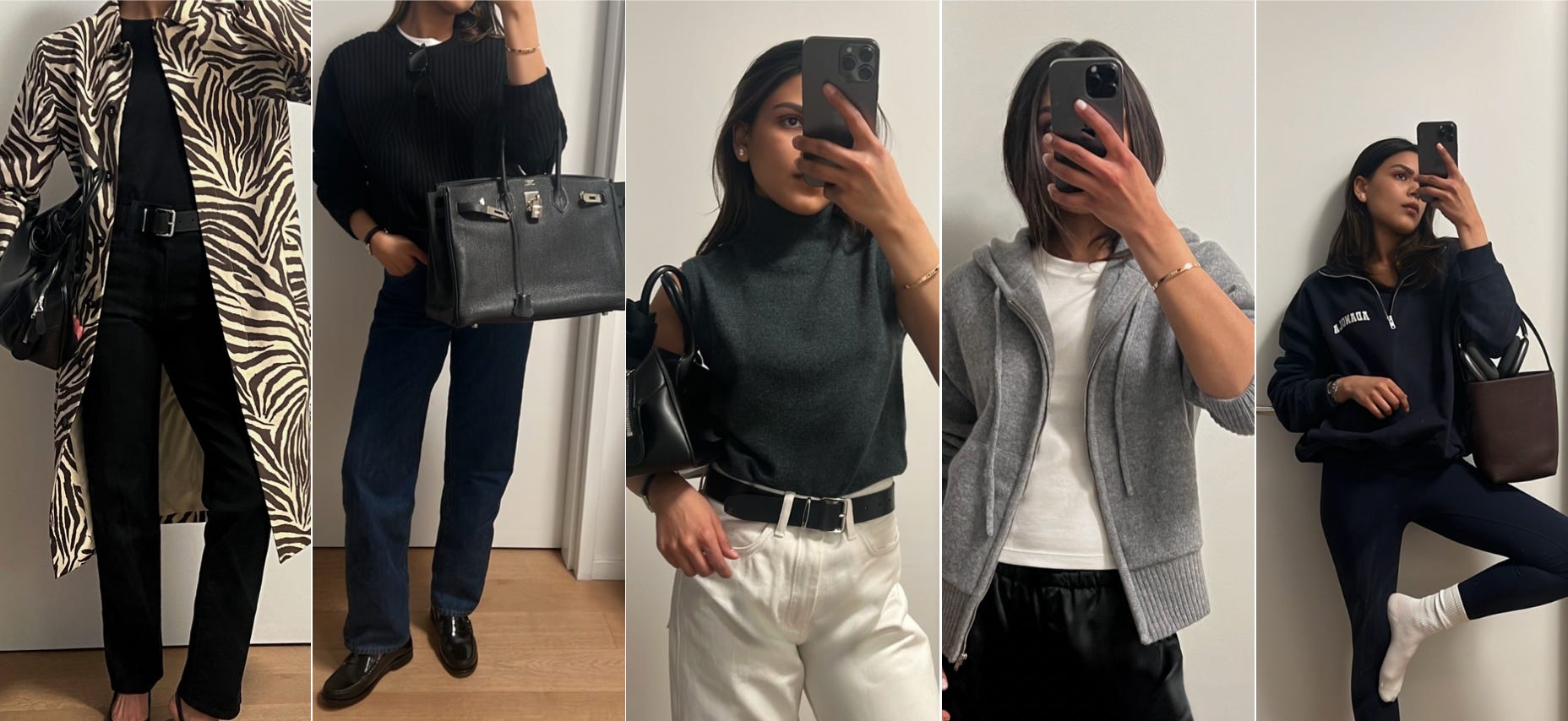
Comfortable clothing does not need to look careless. With the right fit, fabric, and proportions, everyday outfits can support movement while remaining polished.
Daily dressing should reflect the activities you perform. Long commutes, desk work, errands, childcare, walking, and changing temperatures all create different clothing requirements.
Choose Breathable Fabrics
Cotton, linen, modal, merino wool, viscose, and breathable blends can help regulate temperature.
Fabric should feel pleasant against the skin and allow natural movement.
Check whether it becomes transparent, rough, or sticky during wear. A beautiful garment loses value when the fabric creates discomfort.
Comfortable clothing choices can reduce physical irritation and daily stress.
Prioritize Flexible Waistbands
Waistbands should remain comfortable while standing, sitting, and bending.
Look for partial elastic, stretch fabric, adjustable ties, or well-designed structured waistbands.
Avoid sizes that require holding your breath or constant adjustment.
Flexible does not have to mean shapeless. Many tailored trousers include hidden stretch while maintaining a polished appearance.
Wear Straight-Leg Trousers
Straight-leg trousers provide room for movement without excessive volume.
They work with T-shirts, blouses, sweaters, sneakers, loafers, and boots.
Choose a rise that suits your torso and a fabric weight that does not cling.
Useful comfortable style advice can help you select trouser shapes suited to work and casual routines.
Try Wide-Leg Pants
Wide-leg trousers allow air circulation and movement.
Balance them with a fitted, tucked, or shorter top when you want waist definition.
Soft fabrics create a relaxed appearance, while structured materials feel more professional.
Check the hem to prevent dragging.
Choose Relaxed Shirts
Button-down shirts, soft blouses, and overshirts provide coverage without restricting movement.
Wear them tucked, partially tucked, tied, or open over a fitted base.
Check the shoulder and upper-arm fit. An oversized shirt should still allow the seams and fabric to fall intentionally.
Use Soft Knitwear
Fine-knit tops, cardigans, and sweaters can provide warmth without stiffness.
Choose fabrics that do not itch or pill immediately.
A cardigan is especially useful because it can be removed as temperatures change.
Wear Easy Dresses
Shirt dresses, wrap dresses, T-shirt dresses, and relaxed midi dresses create complete outfits with little effort.
Look for secure necklines, comfortable armholes, and enough skirt width for walking.
Add a belt when desired, but avoid tightening it excessively.
Select Supportive Shoes
Sneakers, loafers, cushioned flats, ankle boots, and supportive sandals can all work for everyday dressing.
Choose shoes based on walking distance and standing time.
A clean minimal design can remain comfortable while coordinating with polished clothing.
Current daily clothing updates can help you find practical ways to combine supportive shoes with modern outfits.
Build Around Layers
Changing temperatures require removable clothing.
Use breathable base layers, cardigans, lightweight jackets, scarves, and weather-resistant outerwear.
Avoid layers that create pressure at the shoulders and arms.
Choose Clothing With Pockets
Functional pockets make daily dressing easier.
Check that pockets can hold small essentials without distorting the garment.
Fake pockets may add visual detail but provide no practical value.
Avoid High-Maintenance Garments
Clothing that wrinkles immediately, requires constant adjustment, or needs expensive cleaning may not suit everyday life.
Read care labels before purchasing.
Machine-washable and wrinkle-resistant options can save time without sacrificing style.
Use Neutral Outfit Foundations
Neutral trousers, jeans, skirts, and jackets combine easily with colored tops and accessories.
A coordinated palette reduces morning decisions.
Add personality through scarves, jewelry, bags, or shoes.
Choose Secure Necklines
A neckline should remain comfortable while bending, reaching, or moving.
Test the garment from different angles.
Use a suitable underlayer when needed, but avoid buying clothing that requires constant checking.
Select the Correct Size
Do not size down to force a tighter shape or size up without considering proportion.
Try several sizes and focus on movement, shoulder placement, and waistband comfort.
Properly fitting clothing usually looks more polished and feels better throughout the day.
Build Comfortable Outfit Formulas
Examples include:
- Straight trousers, cotton T-shirt, cardigan, loafers
- Relaxed dress, denim jacket, sneakers
- Wide-leg pants, fitted knit top, flats
- Jeans, soft blouse, ankle boots
- Midi skirt, sweater, supportive shoes
Practical comfortable everyday outfit ideas can provide more formulas for work and weekends.
Use Accessories That Do Not Interfere
Heavy earrings, tight belts, and bags with uncomfortable straps may become irritating.
Choose lightweight jewelry, adjustable belts, and bags that distribute weight evenly.
Accessories should improve the outfit without reducing comfort.
Dress for the Weather
Wear breathable clothing in heat and insulating layers during cold conditions.
Protective outerwear, practical footwear, and suitable fabrics improve comfort more than purely decorative seasonal clothing.
Check the forecast before selecting the outfit.
Prepare Clothing in Advance
Plan outfits when you have time rather than during rushed mornings.
Make sure garments are clean, repaired, and suitable for the next day’s activities.
A prepared outfit reduces the temptation to wear uncomfortable clothing because everything else is unavailable.
Let Comfort Guide Purchases
Before buying, imagine wearing the garment for eight hours.
Sit, walk, raise your arms, and check whether anything rubs, pulls, or shifts.
Do not expect major comfort problems to disappear after purchase.
Comfortable daily style comes from clothing that supports real movement and practical needs. When fabric, fit, footwear, and care requirements work together, everyday outfits can feel easy without appearing unfinished.

