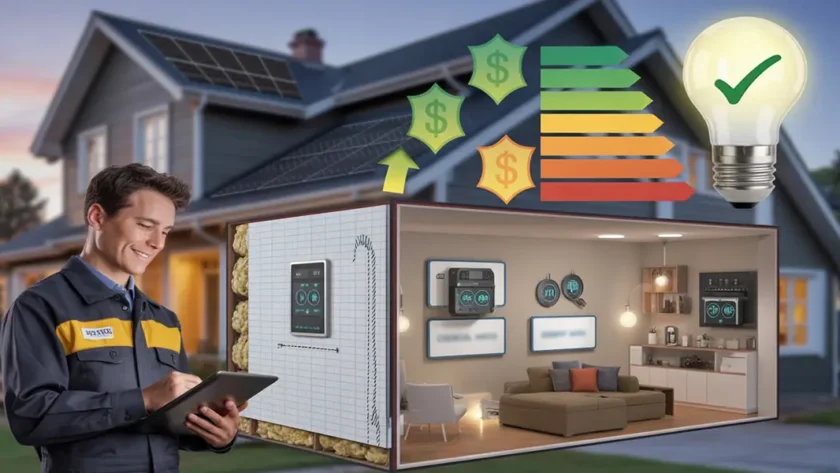
High energy bills do not always point to one obvious problem. Heat may escape through gaps, cooling equipment may work harder because of poor airflow, or household habits may quietly increase use. A home energy review helps identify where improvements may provide the greatest benefit. These energy audit tips can help American homeowners prepare for an assessment and turn findings into practical upgrades.
An audit should support better decisions, not create pressure to replace every system immediately. Families can begin with simple observations, compare professional recommendations, and rank projects by cost, comfort, safety, and expected value. Homeowners exploring practical ideas for improving household efficiency can use the results to build a multi-year improvement plan.
Energy Audit Tips Before the Assessment
Preparation helps the auditor understand how the home operates throughout the year.
Gather Utility Information
Collect recent electricity, gas, or other energy records when available.
Look for seasonal changes, unusual increases, and months when costs were unexpectedly high.
Bills do not explain every cause, but they provide useful background. Compare similar seasons rather than comparing a mild month directly with an extreme weather period.
Record major changes such as new appliances, additional household members, remote work, renovations, or different heating and cooling habits.
Make a List of Comfort Problems
Write down rooms that feel too hot, too cold, drafty, humid, or difficult to control.
Note unusual odors, moisture, condensation, noisy equipment, or areas where temperature changes quickly.
Include the time of day and weather conditions when problems appear.
Families following daily home improvement and energy guidance can organize these observations before meeting an auditor or contractor.
Examine the Home as a Complete System
Energy performance depends on how insulation, air sealing, heating, cooling, ventilation, windows, appliances, and household behavior work together.
Look for Air Leakage
Gaps around doors, windows, attic openings, pipes, wires, vents, and other penetrations may allow unwanted airflow.
Some leaks are easy to notice, while others require testing equipment.
Sealing should be planned carefully because homes also need suitable ventilation and safe combustion conditions.
Do not block vents or openings without understanding their purpose.
Review Insulation Conditions
Insulation may be missing, compressed, damaged, wet, uneven, or poorly installed.
Attics, walls, floors, basements, crawl spaces, and attached garages can each affect comfort.
more insulation is not automatically the first solution. Air leakage, moisture, ventilation, and structural conditions should be considered together.
Thoughtful discussions about whole-home efficiency and long-term planning often emphasize that one isolated upgrade may not solve a problem caused by several connected systems.
Study Heating and Cooling Performance
Heating and cooling equipment often represents a major part of household energy use.
Check Maintenance and Airflow
Dirty filters, blocked vents, damaged ducts, poor controls, and neglected maintenance may reduce performance.
Homeowners should know when equipment was last serviced and whether comfort problems affect specific rooms.
Keep furniture, rugs, and storage away from supply and return openings when required.
Changing equipment settings repeatedly may not solve uneven temperatures caused by airflow or insulation problems.
Compare Repair and Replacement Options
Older equipment does not always require immediate replacement, but repeated repairs and declining performance deserve attention.
Ask for clear estimates covering purchase price, installation needs, expected operating costs, maintenance, warranties, and available service.
A lower monthly energy estimate should be considered alongside the complete project cost.
Avoid replacing equipment based only on a sales deadline.
Review Appliances and Household Habits
Building conditions matter, but daily routines also affect energy use.
Identify High-Use Equipment
Consider refrigerators, freezers, water heaters, dryers, cooking equipment, entertainment systems, computers, and home-office devices.
Check whether equipment runs longer than expected or remains active when not needed.
A second refrigerator or old freezer may add useful storage but also increase ongoing costs.
Measure actual household needs before deciding what to keep.
Improve Habits Without Reducing Comfort
Adjust schedules, use suitable appliance settings, close doors and windows when heating or cooling operates, and turn off unused equipment.
Small changes should remain realistic.
A household routine that causes constant frustration is unlikely to continue.
Readers can find useful ideas for efficient home routines and upgrades while choosing improvements suited to family schedules.
Turn Audit Findings Into an Action Plan
A long report can feel overwhelming. Ranking projects makes the information easier to use.
Address Safety and Moisture First
Problems involving combustion, electrical conditions, water entry, mold risk, structural damage, or unsafe ventilation may require attention before energy improvements.
Energy savings should not take priority over health or safety.
Ask qualified professionals to explain urgent findings and available repair options.
Rank Projects by Value and Timing
Group recommendations into immediate repairs, low-cost improvements, planned upgrades, and long-term projects.
Consider comfort, expected savings, project life, maintenance, available incentives, and how improvements interact.
For example, air sealing and insulation may affect the size of future heating or cooling equipment.
Complete planning before buying expensive systems.
Verify Results After Improvements
Home efficiency should be reviewed after work is completed.
Check Comfort and Energy Use
Compare utility information across similar weather periods and note whether comfort improved.
Do not expect every upgrade to create an immediate dramatic change.
Some benefits appear through more stable temperatures, reduced drafts, quieter equipment, or better humidity control.
Keep Project Records
Save audit reports, photographs, receipts, warranties, equipment details, contractor information, and maintenance instructions.
These records may support future repairs, resale questions, rebate applications, or additional upgrades.
Update the home improvement plan as conditions change.
Conclusion
A home energy audit can reveal how building conditions, equipment, and everyday habits work together. The greatest value comes from using the findings to set priorities rather than treating every recommendation as an emergency purchase.
The strongest energy audit tips focus on preparation, whole-home thinking, safety, and careful project ranking. Gather utility records, document comfort problems, and compare complete costs before making major changes. A thoughtful plan can improve efficiency while protecting household comfort and long-term finances.
Frequently Asked Questions
What does a home energy audit examine?
An audit may review insulation, air leakage, heating, cooling, ventilation, appliances, windows, doors, moisture, and household energy patterns.
Should homeowners collect utility bills before an audit?
Yes. Past energy use can help identify seasonal patterns, unusual changes, and possible areas needing closer review.
Can homeowners perform their own basic energy review?
They can inspect visible gaps, filters, equipment use, lighting, and comfort problems, but professional testing may reveal hidden issues.
Does every audit recommend replacing heating equipment?
No. Recommendations depend on condition, performance, maintenance, safety, operating cost, and how the home performs as a complete system.
Are windows always the biggest source of energy loss?
Not necessarily. Air leakage, insulation, ducts, equipment, and other conditions may have a larger effect in some homes.
How should audit recommendations be prioritized?
Address safety and moisture concerns first, then compare comfort, cost, expected benefit, project life, and connections between improvements.
Can an energy audit reduce utility bills immediately?
The audit identifies opportunities. Savings depend on which improvements are completed and how the household uses energy afterward.
What records should homeowners keep after an audit?
Save the report, photographs, contractor estimates, receipts, warranties, equipment information, and records of completed improvements.