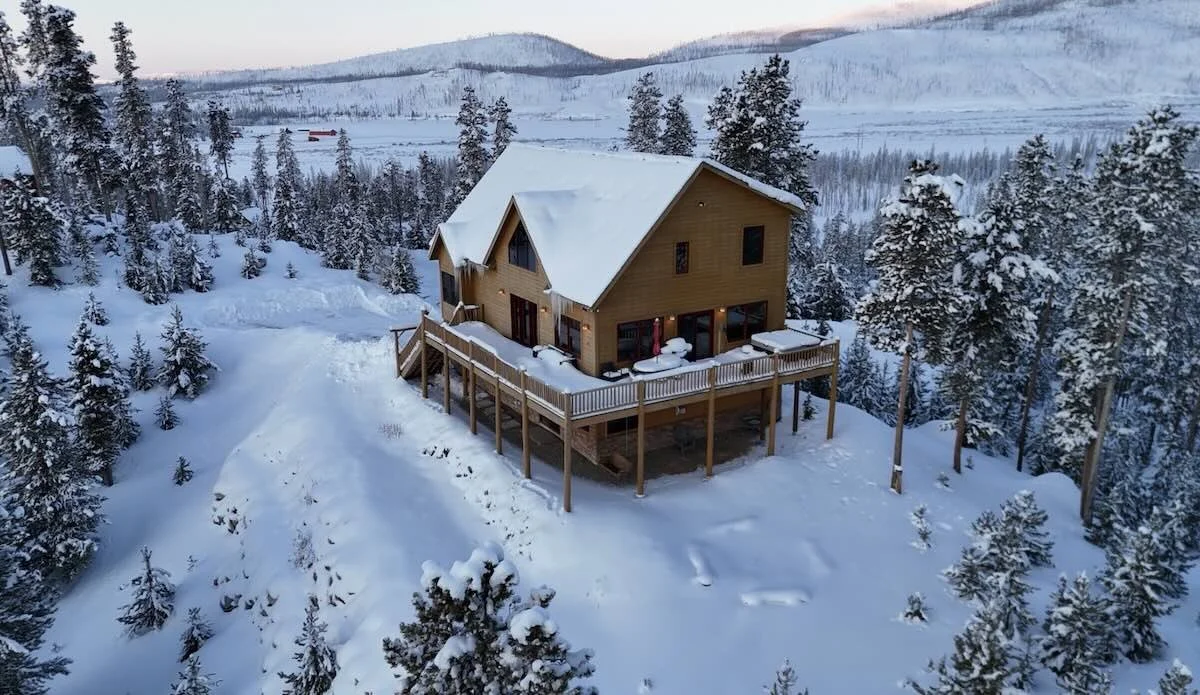
A mountain cabin can provide a peaceful winter escape from crowded cities, busy schedules, and everyday routines. Snow-covered forests, quiet mornings, fireplaces, outdoor activities, and scenic views make cabin vacations appealing to couples, families, and groups.
However, winter mountain travel requires careful preparation. Roads may become difficult, temperatures can fall quickly, and nearby services may operate with limited hours. A cabin that looks beautiful online may also be located farther from stores, restaurants, or attractions than expected.
The best winter cabin vacation combines comfort with realistic planning. Travelers should understand the property, prepare for changing conditions, and organize Important supplies before leaving home.
Choose The Right Cabin Location
Cabin location affects the entire trip.
Some travelers want complete privacy.
Others prefer staying near a mountain town with restaurants and activities.
Remote properties may provide quiet surroundings but require longer drives.
Families should consider access to grocery stores, pharmacies, fuel stations, and emergency services.
Road conditions also matter.
A cabin located high in the mountains may require a suitable vehicle.
Travelers should ask about the final road leading to the property.
A short distance on a map may take longer during winter weather.
Review Winter Access Requirements
Mountain roads can become snowy or icy.
Travelers should understand whether tire chains, winter tires, or specific vehicles are recommended.
Property owners may provide important arrival instructions.
These details should be reviewed before departure.
Drivers should avoid waiting until dark to find an unfamiliar cabin.
Daylight makes road signs and property entrances easier to identify.
Weather may also reduce visibility.
Families should allow additional travel time.
Safety should remain more important than reaching the property according to the original schedule.
Confirm Heating And Fireplace Details
Cabins may use central heating, fireplaces, wood stoves, electric systems, or a combination.
Travelers should understand how heating works.
Firewood may be provided, sold nearby, or require advance purchase.
Visitors should follow all fireplace instructions.
Children and pets should remain supervised near heat sources.
Travelers should never use equipment in a way that conflicts with property rules.
A warm cabin creates comfort, but safe operation matters.
Guests should also identify emergency heating information in case of a power interruption.
Check The Sleeping Arrangements
Cabin descriptions may list a high guest capacity.
However, sleeping arrangements can include sofa beds, bunk beds, loft areas, and shared rooms.
Families should review actual bed sizes.
Older adults may find stairs or loft ladders difficult.
Children may require specific sleeping arrangements.
Travelers should understand how many private bedrooms are available.
A cabin that sleeps ten people may not provide privacy for ten adults.
Comfort should remain part of the booking decision.
Bring Suitable Winter Clothing
Mountain temperatures may feel colder than expected.
Travelers should pack layered clothing.
Warm coats, gloves, hats, socks, waterproof footwear, and comfortable indoor clothing may be useful.
Wet clothing should have a place to dry.
Families may bring extra gloves and socks for children.
Travelers should avoid packing only heavy clothing.
Indoor spaces may become warm.
Layers allow people to adjust throughout the day.
Weather should be checked again shortly before departure.
Plan Simple Cabin Meals
Cooking at the cabin can reduce restaurant expenses.
Families should create a meal plan before leaving home.
Breakfast foods, soups, pasta, sandwiches, snacks, and simple dinners work well.
Travelers should confirm available kitchen equipment.
A cabin may not include every appliance.
Groceries may cost more in tourist areas.
Shopping before reaching the mountains can save money.
However, travelers should avoid buying more food than the group can use.
Storage space may also be limited.
Prepare For Power Or Internet Interruptions
Remote mountain areas may experience temporary service problems.
Travelers should bring flashlights, charged devices, portable batteries, and basic emergency supplies.
Important information should remain available offline.
Families may download entertainment before departure.
Board games, books, and cards provide alternatives when internet service becomes weak.
Visitors should not depend entirely on streaming services.
A temporary loss of connectivity can become part of the relaxing experience when travelers are prepared.
Organize Booking Accounts Before Leaving
Cabin reservations may be connected to rental platforms, travel accounts, payment services, or digital check-in systems.
Travelers should confirm access in advance.
Anyone unable to open an important account may find help with online login problems useful while preparing.
Arrival instructions should also be saved as screenshots.
Property addresses and contact details should remain available offline.
Mountain mobile service can be unreliable.
Printed information may provide additional backup.
Travelers should avoid solving account issues during a snowy arrival.
Prepare For Dry Winter Air
Cold outdoor temperatures and indoor heating can create dry conditions.
Travelers may experience throat discomfort during a winter cabin stay.
Anyone preparing personal supplies may review a practical guide to sore throat medicines before departure.
Regular medicines should remain easy to reach.
Water should remain available throughout the trip.
Travelers may also pack personal comfort items that they already use at home.
Preparing before entering a remote area reduces the need to find unfamiliar products.
Manage Recurring Throat Concerns
Winter travel can disrupt normal routines.
Travelers managing ongoing concerns should prepare before leaving.
Anyone seeking general information can review available tonsil stone treatment options during trip planning.
Personal products should be packed in suitable amounts.
A remote cabin may be far from a pharmacy.
Persistent concerns should receive appropriate attention before travel.
Good preparation provides peace of mind without making health concerns the focus of the vacation.
Review Regional Conditions
Weather, road closures, seasonal events, and local transportation can affect winter travel.
Travelers should check current information before departure.
Those planning northern routes or travel near Canada may follow Ontario regional news and winter updates while organizing the journey.
Official weather and transportation notices should guide driving decisions.
Travelers should remain willing to delay or adjust plans when conditions become unsafe.
A cabin reservation is not more important than safe travel.
Create An Arrival Checklist
Arriving at a cabin can involve several tasks.
Travelers may need to unlock the property, turn on lights, review heating, store food, and inspect important areas.
A simple checklist keeps the process organized.
Families should identify emergency exits.
Property instructions should remain visible.
Guests may also photograph existing damage when appropriate.
Any serious concern should be reported promptly.
A calm arrival helps everyone settle into the vacation.
Plan Indoor Activities
Winter weather may limit outdoor plans.
Families should prepare indoor entertainment.
Books, movies, puzzles, games, cooking, crafts, and family conversations can fill quiet hours.
Couples may enjoy music and relaxed meals.
Travelers should avoid treating indoor time as a disappointment.
A cabin vacation is partly about slowing down.
Open schedules can create meaningful time together.
Backup activities reduce frustration when snow or wind changes outdoor plans.
Enjoy Outdoor Activities Safely
Mountain destinations may offer skiing, snowshoeing, sledding, walking, or scenic exploration.
Travelers should choose activities that match their ability.
Proper clothing and equipment matter.
Families should review local safety guidance.
Weather can change quickly.
Visitors should avoid entering closed areas.
Children should remain supervised.
Outdoor activities become more enjoyable when travelers do not push beyond their comfort level.
Short experiences may provide enough excitement for one day.
Protect The Cabin Interior
Snow, mud, wet boots, and outdoor equipment can create mess.
Travelers should use designated entry areas.
Wet clothing may need to dry away from heat sources.
Property rules should be followed.
Guests should avoid moving furniture unnecessarily.
Food should remain stored safely.
Travelers should treat the cabin with the same care they expect from others.
A clean environment improves comfort throughout the stay.
Understand Waste And Cleaning Rules
Remote properties may have special waste instructions.
Travelers should review checkout requirements.
Trash may need to be placed in specific containers.
Food should not remain outside because it may attract wildlife.
Guests should understand whether dishes, linens, or basic cleaning tasks are expected.
Rules vary between properties.
Completing required steps can prevent additional charges.
Travelers should avoid waiting until the final minutes to begin checkout.
Keep Wildlife At A Distance
Mountain cabins may be located near wildlife habitats.
Visitors should not feed animals.
Food should remain secure.
Trash should follow local storage requirements.
Travelers should avoid approaching wildlife for photographs.
Pets should remain controlled.
Outdoor noise should stay reasonable.
Wildlife encounters become safer when visitors maintain distance.
Local guidance should be followed.
A cabin setting provides an opportunity to observe nature without disturbing it.
Build Rest Into The Schedule
Travelers may feel pressure to complete every winter activity.
However, cabin vacations work best with open time.
Slow breakfasts, quiet afternoons, reading, cooking, and conversations can become memorable.
Families should avoid creating a demanding schedule.
Children may need recovery after outdoor activities.
Adults may appreciate a break from constant planning.
Rest is one of the main benefits of a cabin vacation.
It should remain part of the itinerary.
Prepare For A Smooth Departure
Checkout morning can become stressful when packing begins too late.
Families should organize most belongings during the previous evening.
Travelers should review property instructions.
Food, chargers, clothing, and personal items should be checked.
Doors, windows, lights, and heating should follow owner guidance.
The driving route should be reviewed.
Weather may affect departure.
Leaving additional time protects against road delays.
A mountain cabin can create a warm and memorable American winter break when travelers prepare for the environment.
By selecting an accessible property, organizing food and supplies, reviewing weather conditions, and leaving room for rest, families and couples can enjoy winter scenery without allowing small problems to control the vacation.