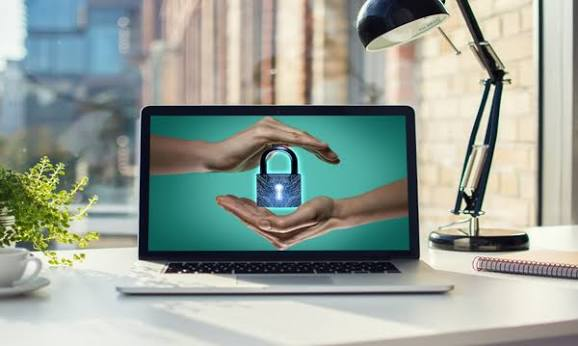
Laptop Privacy involves controlling who can access the device, accounts, files, camera, microphone, and browsing activity. Weak settings can expose personal or professional information even when the laptop is never stolen.
Practical privacy protection combines account security, encryption, careful permissions, and safer online behavior.
Use a Strong Login Password
Choose a long, unique password.
Avoid names, birthdays, and common phrases.
Disable automatic login.
Helpful laptop privacy guidance can help users build stronger access controls.
Lock the Screen
Set automatic locking after a short period.
Use the keyboard shortcut whenever stepping away.
This prevents nearby access to open accounts and files.
Encrypt the Drive
Enable BitLocker, Device Encryption, FileVault, or another approved system option.
Store the recovery key safely.
Encryption protects data if the laptop is stolen.
Use Unique Online Passwords
Create a different password for every important account.
Use a password manager.
Enable two-factor authentication.
Review Application Permissions
Check camera, microphone, location, contacts, and file access.
Remove permissions that are not necessary.
Uninstall applications that request excessive access.
Protect Stored Files
Keep sensitive documents in encrypted storage.
Avoid leaving tax records, identity documents, and financial files in open desktop folders.
Secure digital data organization reduces accidental sharing and exposure.
Check Browser Extensions
Extensions may read website content and browsing activity.
Remove unknown or unnecessary add-ons.
Install extensions only from trusted sources.
Use Private Browsing Correctly
Private mode prevents local browsing history from being stored after the session.
It does not hide activity from websites, employers, internet providers, or network owners.
Do not treat it as complete anonymity.
Control Saved Passwords
Review saved browser passwords.
Protect the browser account with strong security.
Remove passwords stored on shared computers.
Use Secure WiFi
Avoid sensitive activity on unknown public networks.
Confirm the correct network name.
Keep the firewall enabled.
Disable Automatic Connections
Prevent the laptop from joining open networks automatically.
Remove old public networks from saved settings.
Turn off WiFi when it is not needed.
Protect the Webcam
Review camera permissions.
Close video applications after meetings.
A physical cover may provide reassurance, but do not use a thick cover that could damage the screen.
Control the Microphone
Remove microphone access from unnecessary applications.
Watch for indicators showing that the microphone is active.
Close applications that keep recording permissions open.
Be Careful With AI Services
Do not upload confidential documents without understanding data handling.
Remove sensitive details before submitting text.
Current AI privacy concerns make careful use of external AI platforms important.
Avoid Phishing
Do not click unexpected login links.
Open official websites manually.
Never share verification codes.
Update Software
Security updates repair privacy weaknesses.
Update the operating system, browser, and applications.
Trusted computer security advice supports stronger privacy over time.
Limit Cloud Sharing
Review shared links and permissions.
Remove access that is no longer needed.
Avoid public links for sensitive files.
Create Separate User Accounts
Use different accounts for household members.
Do not share the main administrator password.
Keep work and personal access separate.
Clear Old Data Before Selling
Back up important files.
Sign out of accounts and remove the device from online services.
Use the operating system’s secure reset option.
Review Privacy Settings Regularly
Applications and updates may change settings.
Review permissions every few months.
Remove old accounts, extensions, and connected devices.
Final Thoughts
Laptop privacy depends on strong passwords, screen locking, encryption, careful permissions, secure browsing, and responsible cloud sharing.
Pay special attention to browser extensions, AI services, public WiFi, cameras, and microphones.
Regular reviews prevent old applications and forgotten access permissions from exposing information unnecessarily.


